Market Street: The Handwritten Font for Authentic Branding
In a digital world saturated with sterile, geometric sans-serif fonts, finding a typeface that feels genuinely human can be a game-changer. Market Street is that rare find—an authentic handwritten font with a romantic, elegant touch. It’s not just another script font; it’s a carefully crafted design asset that brings warmth, personality, and a touch of sophistication to any project. For designers, entrepreneurs, and creators looking to break away from the generic, Market Street offers a pathway to more memorable and engaging visual communication.
Understanding the Personality and Style of Market Street
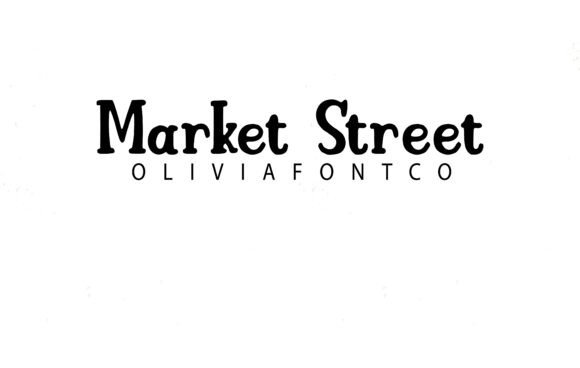
Market Street is a premium font that strikes a beautiful balance between casual charm and refined elegance. Its letterforms are based on natural handwriting, giving it an organic, authentic feel. The strokes have a slight, graceful variation, mimicking the flow of a pen on paper without looking messy or overly casual. This makes it incredibly versatile. It carries the romantic touch of a classic script font but maintains a legibility that many decorative fonts lack.
The overall appeal lies in its ability to connect on a personal level. Unlike a standard serif font or a rigid sans-serif font, Market Street doesn’t just present information; it conveys a mood. It whispers of handmade quality, thoughtful craftsmanship, and personal attention. This is the kind of typeface that can make a brand feel more approachable and trustworthy, or transform a simple invitation into a cherished keepsake.
Where Market Street Truly Shines: Applications and Projects
The strength of a creative font like Market Street is measured by its real-world application. It’s not a one-trick pony; its authentic style adapts beautifully across a wide spectrum of projects, making it a valuable addition to any designer’s toolkit.
Branding and Logo Design: For businesses that want to emphasize a personal touch, artisanal quality, or a boutique feel, Market Street is an excellent choice for logos and brand identities. Think of a local bakery, a handmade jewelry shop, a boutique consulting firm, or a wedding planner. The font instantly communicates a brand story rooted in care and individuality.
Editorial and Publishing: In editorial design, Market Street can create striking magazine headlines, pull quotes, or chapter titles. It draws the reader’s eye and adds a layer of visual interest that a standard display font might not achieve. For bloggers and content creators, it’s perfect for featured images, Pinterest graphics, and website banners that need to stand out in a crowded feed.
Marketing and Social Media Graphics: In the fast-paced world of social media, authenticity wins. Market Street can be used to craft compelling Instagram stories, Facebook ads, and promotional graphics that feel personal and direct. Its handwritten nature cuts through the noise of corporate-looking visuals, helping to build a more genuine connection with an audience.
Packaging and Print Design: The font’s elegant script shines in packaging design, especially for products where presentation is part of the experience—cosmetics, gourmet foods, stationery, or artisanal crafts. It’s also a natural fit for wedding invitations, greeting cards, thank-you notes, and event programs, where a personal, romantic touch is essential.
Practical Guidance for Using Market Street Effectively
Choosing the right font is only half the battle; using it well is what separates good design from great design. Here’s how to integrate Market Street into your work for maximum impact.
Evaluating Project Fit and Readability: First, consider your project’s primary goal. Is it to inform, to persuade, or to delight? Market Street excels in the latter two. For body text in long-form documents, it’s best used sparingly—a handwritten font, even a legible one like Market Street, can cause eye strain over many paragraphs. Its sweet spot is in headlines, short phrases, and accent text. Always test it at the actual size it will be viewed to ensure every letter is clear.
Mastering Font Pairing: The key to professional typography is pairing fonts wisely. Market Street, with its high personality, works best when paired with a clean, neutral counterpart. A classic combination is using Market Street for headlines and a simple sans-serif font like Lato, Open Sans, or Montserrat for body copy. Alternatively, pairing it with a traditional serif font like Georgia or Merriweather can create a beautiful contrast between the organic and the structured. The goal is to let Market Street be the star while the supporting font ensures readability and hierarchy.
Leveraging Included Styles and Licensing: Before purchasing any commercial font, review what’s included. Market Street often comes with stylistic alternates, swashes, or ligatures that allow for further customization. These features can help you create unique letter combinations and avoid repetition, making your designs feel even more bespoke. Crucially, always ensure you have the correct commercial license for your intended use, whether it’s for a client project, merchandise for sale, or a digital product.
Creating Visual Hierarchy and Consistency: Use Market Street strategically to guide the viewer’s eye. A headline in this font naturally draws attention, so follow it with a subdued subheading and clean body text. This creates a clear, engaging hierarchy. For branding, consistency is key. Define exactly how and where Market Street will be used—perhaps only in logos and primary headings—to build a cohesive and recognizable brand identity across all touchpoints.
Ultimately, Market Street is more than just a set of letters; it’s a design tool for storytelling. Its authentic handwritten style offers a refreshing antidote to impersonal digital communication, allowing you to infuse your projects with warmth, romance, and a distinctly human touch. By understanding its strengths and applying it thoughtfully, you can elevate your creative work and forge a stronger connection with your audience.